
Every founder believes their startup is the exception to the failure statistics. However, Crunchbase reports that companies with good products still have an “over 80% chance of failing.”
Startup growth isn’t luck. It’s usually the result of a few deliberate moves made early and repeated consistently, long before a startup has the budget for a large marketing team. You don’t need heavy funding to apply them. You need the right ones, applied at the right time. This guide presents 7 practical tips that real startups have used to grow faster.
1. Niche Down Before You Scale Up
The instinct when you launch is to chase everyone who might buy your product. Resist it. The startups that grow fastest usually start by dominating a small, specific market before expanding outward.
Facebook is the clearest example. “TheFacebook” launched exclusively for Harvard students in 2004 and then expanded school by school rather than opening to the public on day one. That narrow start created density and word-of-mouth pressure on each campus before the platform ever tried to compete for everyone’s attention.

Amazon followed a similar logic. Jeff Bezos started by selling only books online, used that focus to perfect the platform’s logistics and customer experience, and only then expanded into “everything store” territory.
Airbnb followed the same playbook on the consumer side. It focused early on budget-conscious travelers seeking a local experience. It didn’t compete with hotels for every type of traveler and only broadened into business and luxury stays once that core audience was loyal.
Research from First Round Capital found that startups with a defined, narrow target customer performed 2.4 times better than those without one. A tight niche sharpens your messaging and makes your product easier to refine based on real feedback. Also, early customer acquisition is cheaper because you are not competing for attention across the entire market.
For your startup, pick the smallest group of people who need what you’ve built, win them over completely, and only then ask who’s next.
2. Build a Referral Loop Into the Product Itself
Don’t be a startup that treats referrals as a side campaign, such as a banner, an email blast, or a one-time push. The companies that grow fastest build referrals into the product experience itself.
Dropbox is the textbook case. In 2008, the company had 100,000 registered users and no meaningful marketing budget. Instead of buying expensive ads, Dropbox rewarded both the person who sent an invite and the person who accepted it with extra storage space, then wove that offer directly into onboarding and the product interface. Over the next 15 months, Dropbox grew to 4 million users (a ~3,900% increase), generating millions of invites per month without traditional marketing spend.

What made it work wasn’t the reward alone, but also the placement. The referral prompt appeared exactly when users were already getting value from the product and naturally wanted to share it with collaborators. That timing turned an ordinary feature into a growth engine. It helped that about a third of Dropbox’s users were already referring friends informally before the formal program launched, so the mechanic amplified behavior that was already real.
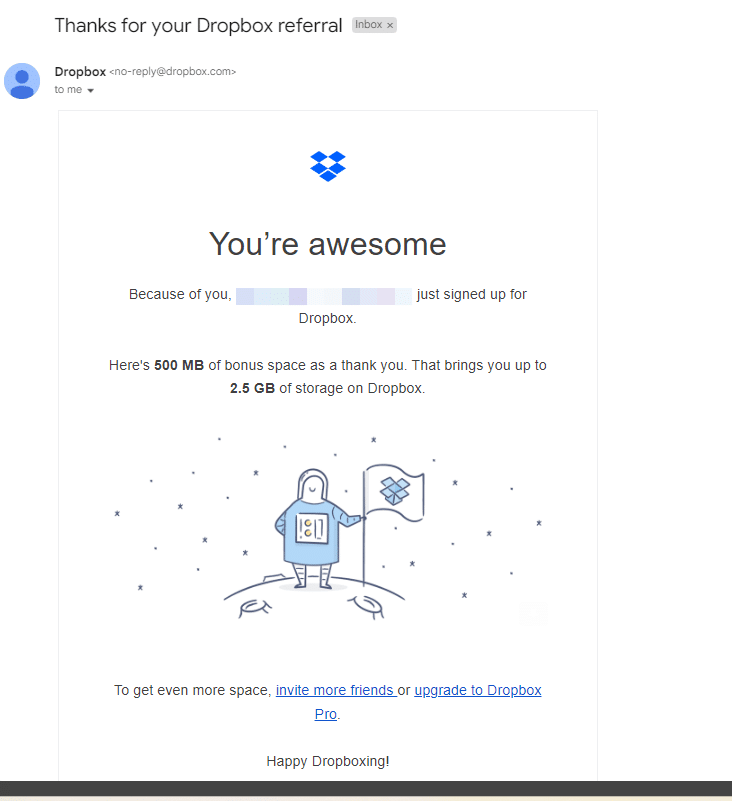
You don’t need Dropbox’s scale to copy the mechanic. Identify the moment when your users feel the most value. It can be right after a first successful result, not at signup. Then add a simple, mutually beneficial sharing option right there. A referral program bolted onto your marketing site rarely performs as well as one built into the product.
3. Chase Retention Harder Than Acquisition
It’s tempting to gauge startup health by new signups, but unit economics tells a different story. Acquiring a new customer costs 5 to 25 times more than retaining an existing one, depending on your industry and price point. Companies that prioritize retention have been shown to grow roughly 2.5 times faster than those focused solely on acquisition.
The reason is compounding. A customer you retain for three years instead of one pays back your acquisition cost multiple times over and refers other customers along the way. They also increase their spending as they discover more value in your product. A customer you lose after one billing cycle means you have to spend again just to replace them.
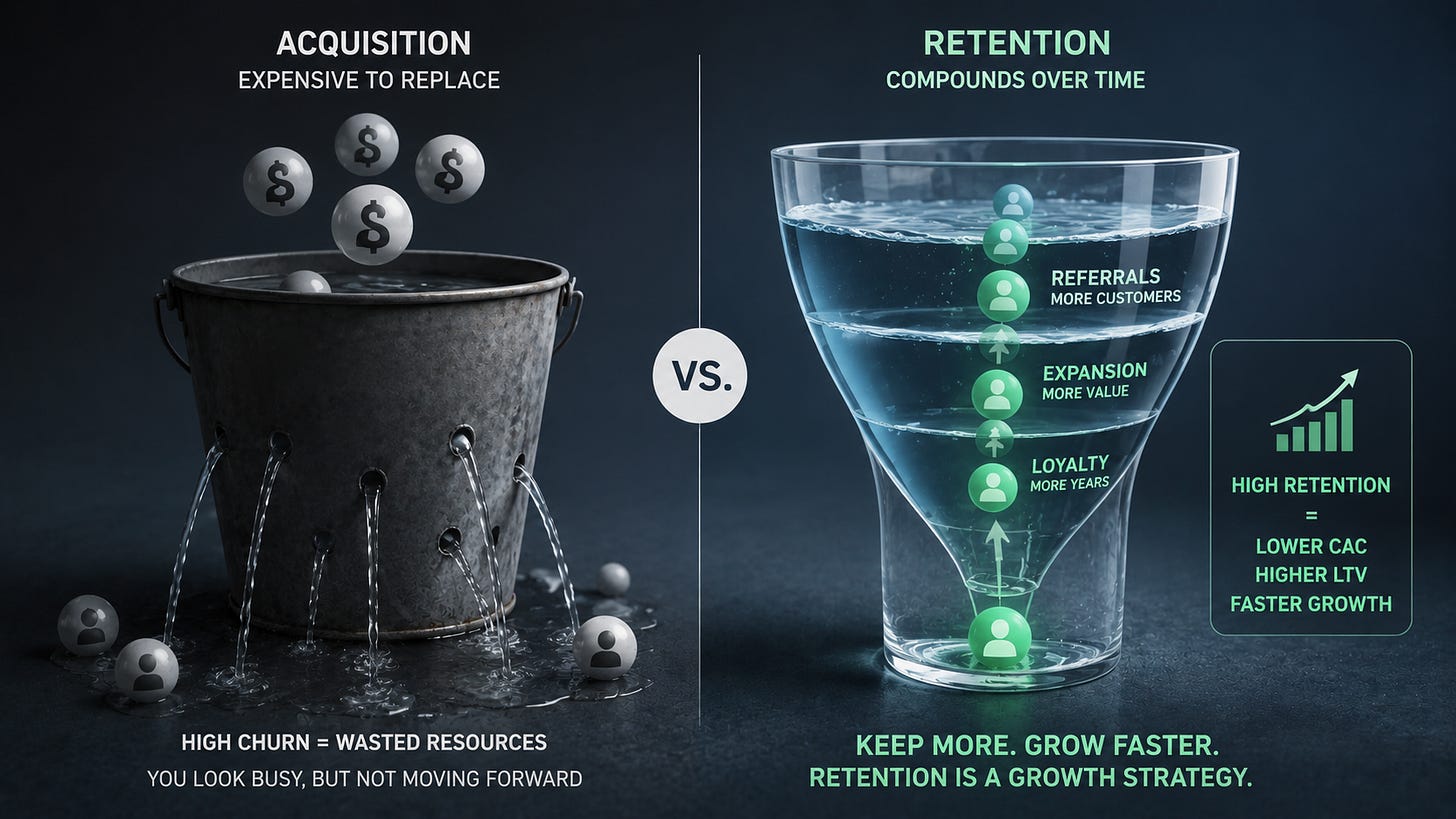
This is why so many fast-growing SaaS startups now track Net Revenue Retention alongside new customer counts. A company can post strong monthly signups and still be in trouble if existing customers are churning out the back door faster than new ones come in through the front door. Pouring all your energy into top-of-funnel growth while ignoring churn is a bit like sprinting on a treadmill. You look busy, but you’re not actually moving forward.
Your startup should treat onboarding, support, and proactive check-ins as growth levers. Once you become a startup that retains 90% of its customers year over year, it will almost always out-compound one that’s constantly refilling a leaky bucket.
4. Turn Customers Into a Community That Sells for You
Paid ads are getting more expensive every year, but a community of enthusiastic users isn’t. Notion is a great example of this startup growth tip.
Notion didn’t go for building a top-down marketing machine. The company formalized what was already happening organically. There were many passionate users teaching each other and sharing templates. Some were running their own meetups.
When Notion opened applications for its Ambassador Program, it received more than 600 applications in the first week alone.
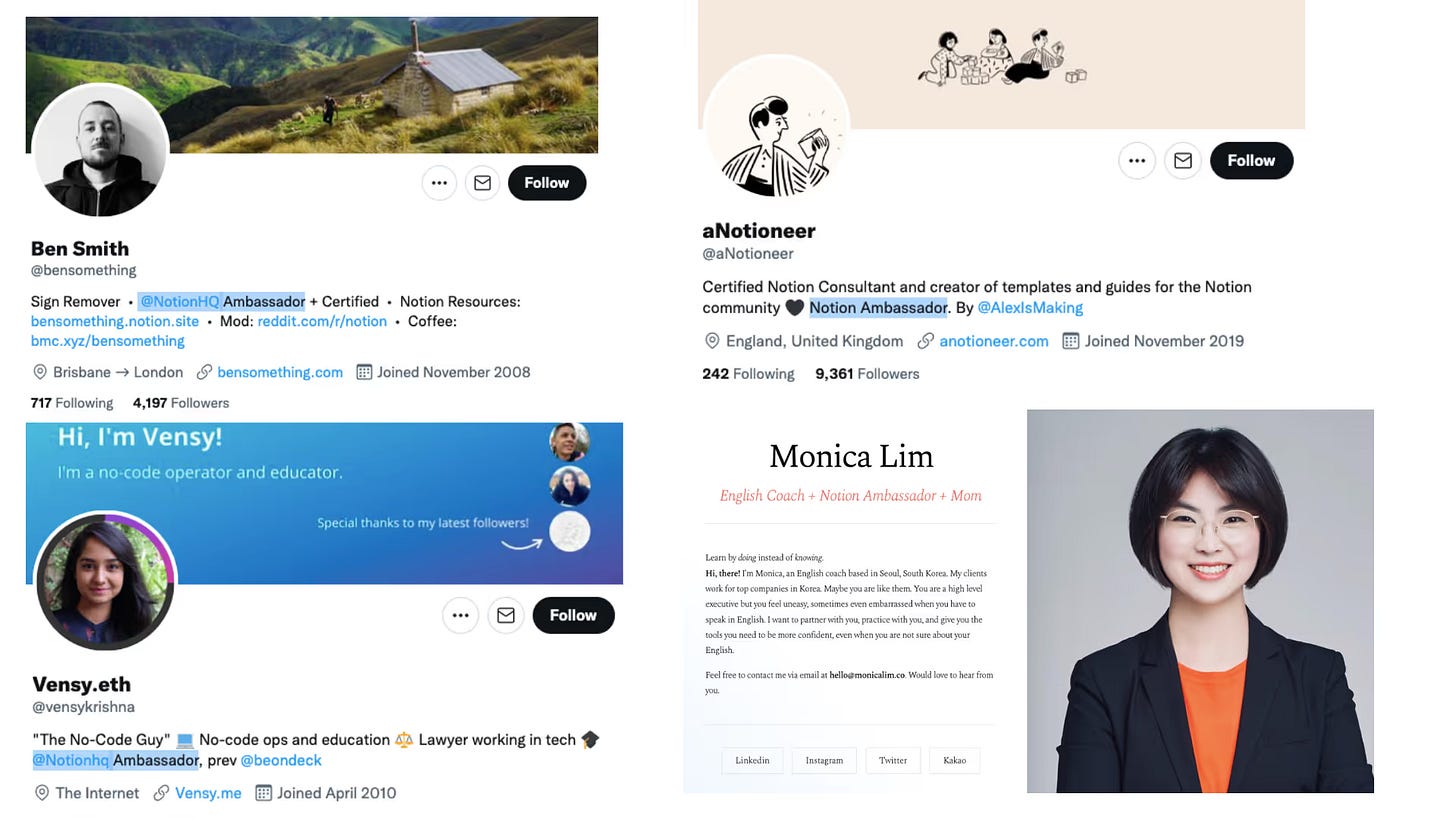
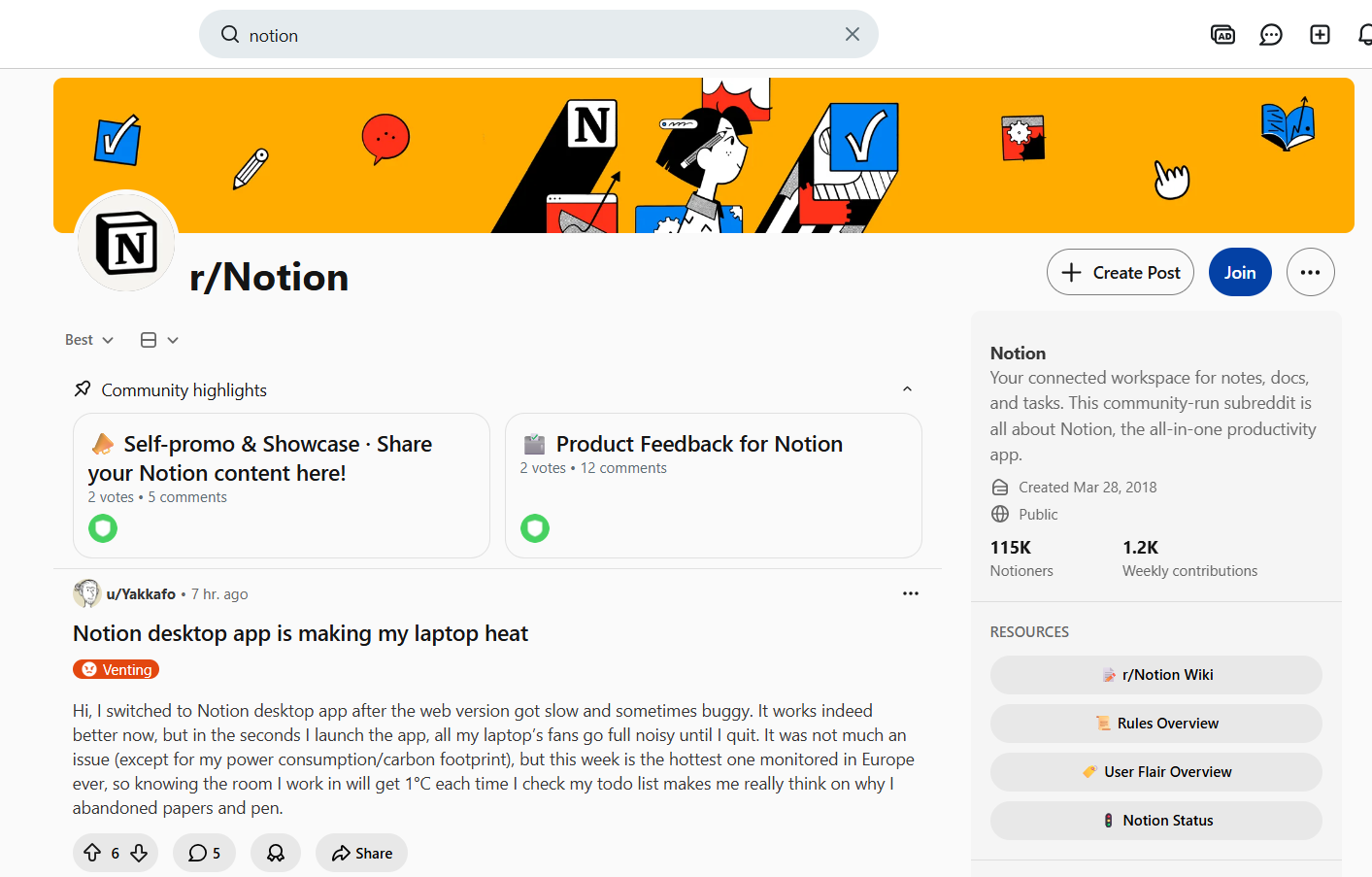
Two of those ambassadors now run Notion’s subreddit, which has grown to over 450,000 members. As a result, the company draws the vast majority of its traffic organically, without traditional ad spend.
Imagine that happening for your startup. You have customers creating tutorials, answering questions, recommending your product in online communities, and introducing new users through word of mouth. That’s the difference between customers and advocates. Customers buy from you. Advocates market for you. All of that happens without increasing your advertising budget.
You don’t need 20 million users to start. Identify your most vocal customers, give them direct access to your team, early access to features, or simple recognition, and let them tell your story in their own words. Peer recommendations convert better than anything your marketing team can write because they don’t read like marketing.
5. Plug Into the Platforms Your Customers Already Live In
New startups try to pull customers into a brand-new tool. Faster-growing ones meet customers inside the tools they already use every day.
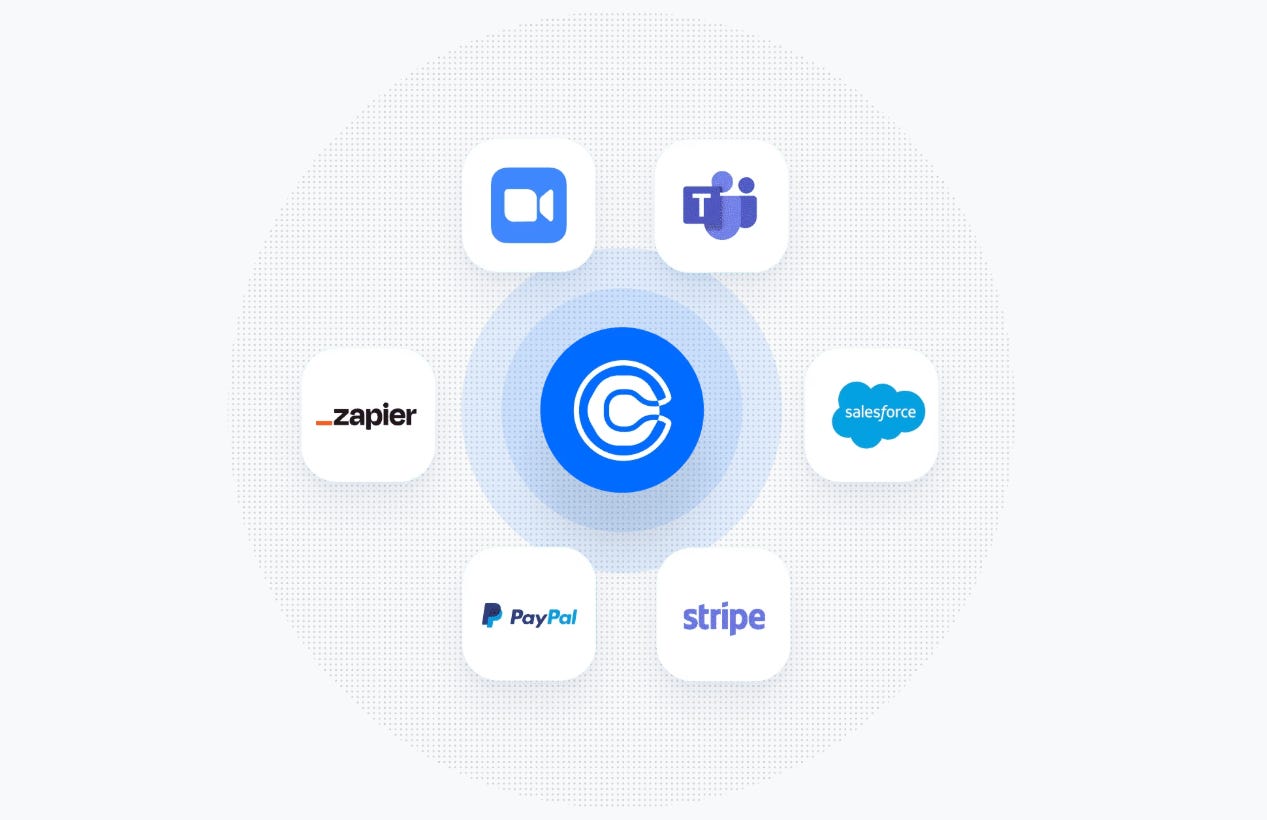
Calendly is a clean example. The product started as a simple scheduling link, but its growth accelerated after it added integrations with Google Calendar, Zoom, Salesforce, HubSpot, and Slack. Booking a meeting through Calendly now automatically creates a Zoom link and updates a CRM record. It also sends reminders without any extra effort from the user. That depth of integration made Calendly hard to remove from a team’s workflow because pulling it out would break several other tools at once.
Slack tells a similar story. It now supports more than 2,600 third-party integrations. That openness is a major reason teams find it difficult to switch away once Slack is embedded in daily work.
As an early-stage startup, this doesn’t mean building dozens of integrations on day one. It means identifying the two or three tools your ideal customer already can’t live without and ensuring your product connects with them.
Every integration also serves as free distribution. For example, Slack’s App Directory and HubSpot’s App Marketplace surface well-rated apps to their respective user bases. As a result, a single integration becomes an ongoing acquisition channel.
6. Personalize Onboarding to Hit the “Aha” Moment Faster
Don’t be a startup that spends months perfecting its product only to lose users within the first few minutes after signup.
A generic onboarding flow treats every new user the same, even though they signed up for different reasons. That mismatch is a common reason users disappear before they ever see your product’s real value.
Superhuman built its early growth on the opposite approach. It offered a personalized, almost white-glove onboarding experience, with a real person walking new users through the product based on their specific workflow.
A human onboarding call is not always necessary. Broader research on SaaS onboarding shows that personalizing the flow by role, goal, or use case lifts activation rates by 30% to 50% compared to a one-size-fits-all tour. It is because users reach their specific “aha moment” faster without clicking through features that don’t apply to them.

A practical starting point is to ask one or two questions at signup about what the user is trying to accomplish, then route them directly to the feature that solves it. The same logic applies to something as simple as a welcome email. A generic drip sent to every new signup tends to convert worse than one segmented by the specific goal the user selected during onboarding. Skipping the irrelevant 80% of your product on day one is more persuasive than showing it all.
7. Treat Content and SEO as a Compounding Growth Engine
Paid acquisition stops the moment you stop paying for it. Content and SEO are among the few growth channels that keep working long after you stop investing in them.
HubSpot is the long-running proof of this. The company built its early growth almost around inbound content and has since turned its blog into one of the largest publishers in its category. It now ranks for millions of keywords and pulls in millions of monthly organic visits. This is the traffic it isn’t paying for on a per-click basis.
HubSpot got there by organizing content into topic clusters that built authority across entire subjects over time. This matters a lot for resource-constrained startups. It’s also one of the few channels where a funded competitor doesn’t automatically win. Google doesn’t care about your funding round, only whether your content actually answers the question someone typed in.
There’s another reason this strategy matters more now, i.e., AI search. Millions of people now use AI-powered search features to find answers without clicking through multiple websites. The businesses that appear in those answers have already established authority through useful, AI-friendly content. That means every guide and case study you publish today is an investment in SEO, and it also becomes part of the information AI systems use to recommend and reference businesses in the future.
You don’t need thousands of blog pages to benefit from the same logic. Pick three to five topics your future customers are already searching for, and consistently publish genuinely useful content around them. SEO is slow to start, but it keeps paying you back long after the invoice is settled.
The Bottom Line
So, how do you start with the seven startup growth tips above? The proven discipline is to pick two or three that fit your current stage and execute them consistently. It isn’t wise to try all seven at once to see which one drives growth.
Remember that most successful startups didn’t look unstoppable in their early days. They simply stacked small advantages month after month while competitors chased quick wins. A year from now, you will be surprised by how far those seemingly small improvements have taken your startup. Growth compounds for the startups patient enough to let it happen.